
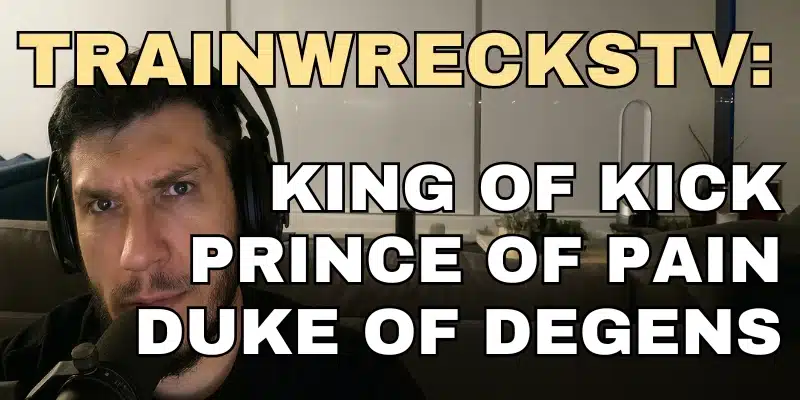
Tyler Faraz Niknam – TrainwrecksTV – is one of the most influential figures in online gambling and streaming. This page breaks down what actually matters, from his Stake code to his estimated net worth, and his role at Kick.
Earn cash rewards while you play – See how it works 🡲
No sponsors. No paid bias.


TrainwrecksTV TOC
- Fast Facts Real name, age, location, platforms
- Real Name, Age & Background Who Train really is
- Platforms & Streaming Output Twitch, Kick, and where he actually streams
- Stake Code & Casino Relationship The real code and what it does
- Earnings & Streaming Income Gambling, sponsorships, and payouts
- Move to Canada Why he left the U.S.
- Does TrainwrecksTV Own Stake? Advisor vs ownership rumors
- Scuffed Podcast & Inner Circle Friends, allies, and conflicts
- Audience & Influence Viewers, reach, and impact
- Net Worth (Estimates) What he’s likely worth today
- Giveaways & Donations Promotions, giveaways, and community rewards
- Drake, Roshtein & The Casino Meta Celebrity gambling, influence, and optics
- What He Says His Goals Are Bans, feuds, and backlash
- Drama & Controversies Bans, feuds, and backlash
- Recommended Links Verified casinos, bonus offers & trusted alternatives
- FAQs Quick answers people search for
Fast Facts
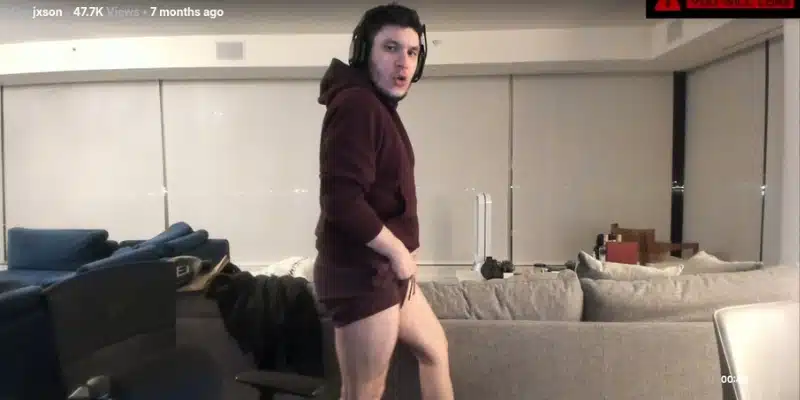
- Real name & DOB: Tyler Faraz Niknam, born Dec 20, 1990. Raised in Scottsdale, AZ; BA in Analytic Philosophy (ASU, 2014).
- Streaming since 2015; surged during the Among Us boom in 2020.
- Tournament wins: Took 1st place in Code Red Among Us events (Oct 6 and Nov 5, 2020).
- Podcast host: Creator/host of the Scuffed Podcast (2019–), a round-table with big streamer guests.
- Moved to Canada in June 2021.
- Prominent crypto-casino (Stake) gambling streams; after Twitch’s crackdown he promoted/streamed on Kick.
- Kick connection: He described himself as an adviser to Kick; WaPo reported Kick’s ties via Stake co-founder Ed Craven.
- Kick basics: Platform backed by Stake co-founders; famous for a 95/5 revenue split.
- Election-night stats: Among the most-watched Twitch streamers during the 2020 U.S. election coverage.
- Recent philanthropy: In Aug 2025, MrBeast publicly thanked Train for a $400,000 clean-water donation.
- Known for marathon-length streams—often many hours at a time.
- Digital Trends named him among the best Among Us players on Twitch.
- Scuffed has run well past 100 episodes; titles regularly feature mega-panels (xQc, Asmongold, Tfue, etc.).
- His channels have spanned gaming, gambling, and long “Just Chatting” debates, which is why the brand “Scuffed” stuck.
- Current public profiles and analytics sites often list Vancouver as his base.
- Syztmz: Fake Money, Affiliate Code, Stream Schedule & More Kick • Stake
- Cabrzy – Real Name, Stake Code, Net Worth & Streaming Breakdown Kick • Stake
- ClassyBeef – Stake Code, Net Worth, Drama & More Kick • Stake
- PaymoneyWubby – Stake Code, Net Worth, Drama & More Kick • Stake
- Roshtein – Affiliate Code, Net Worth, Drama & More Kick • Stake

Real Name, Age & Background
TrainwrecksTV’s real name is Tyler Faraz Niknam. Most people just call him Train, and that’s intentional.
He has always kept his personal life tight, revealing only what’s necessary while letting the on-screen persona do the heavy lifting.
Train was born in 1990, putting him in his mid-30s. He’s originally from the United States but later moved to Canada, a decision that raised eyebrows and fueled speculation across gambling and streaming circles.
Unlike lifestyle streamers who lean into personal branding, Train’s rise came from raw, unfiltered commentary, marathon gambling streams, and a willingness to publicly clash with Twitch itself when policies tightened around gambling content.
Before becoming one of the most polarizing figures in livestreaming, Train was already deeply embedded in the Twitch ecosystem.
He didn’t stumble into influence by accident. He built it through consistency, controversy, and by positioning himself as both a critic and beneficiary of the platforms he used. That dual role still defines him today.
Platforms & Output
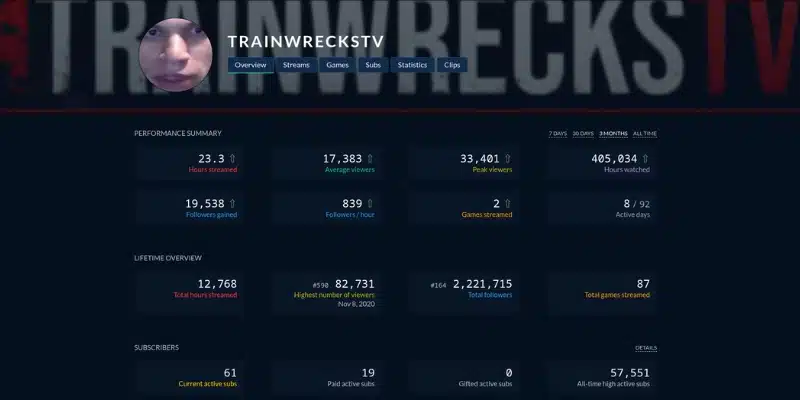
- Kick (primary): In the last 30 days, Train streamed ~101 hours on Kick with ~18K average viewers, per third-party analytics (fluctuates week-to-week).
- Twitch (secondary): Over the last 30 days he has streamed rarely or not at all (SullyGnome shows 0 hours in the period), underscoring his shift to Kick.
TrainwrecksTV built his audience on Twitch and later shifted his flagship streams to Kick, where he does marathon, camera-on “Just Chatting,” gaming, and casino-style broadcasts with frequent guest drop-ins.
He syndicates highlights and VOD cuts to YouTube, pushes live updates and hot takes on X, and hosts the long-running Scuffed Podcast for panel debates.
The output skews long-form—multi-hour streams several days a week—then gets repackaged into short clips, compilations, and podcast episodes that keep his content circulating between lives.
Stake, “Stake affiliate” culture & the Kick connection
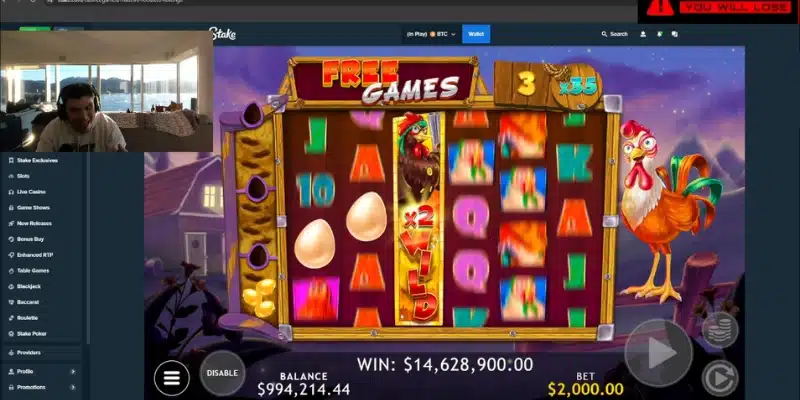
TrainwrecksTV’s gambling era is anchored to Stake: he’s streamed high-roller casino content under sponsorship while positioning himself as a power user who talks VIP reloads, rakeback, and payout speed.
That plugs straight into the broader “Stake affiliate” culture—creators push referral codes and “edge-back” perks (rakeback, weekly/monthly bonuses) in exchange for a rev share.
The upside for viewers is promos and big-balance entertainment; the catch is a built-in conflict of interest (your losses can be someone else’s income), which is why clear disclosures and hard data (limits, KYC, payout timings) matter more than hype.
The Kick connection tightens the loop. Kick launched with backing linked to Stake’s founders and with Trainwrecks as a public champion/adviser early on.
Kick’s creator-friendly rev split and permissive stance on gambling streams made it the natural broadcast home for Stake-centric content: livestream on Kick → funnel to Stake via codes → recycle highlights to YouTube/X.
Officially, corporate structures are distinct; practically, the content–affiliate–platform flywheel is the point. For readers: enjoy the spectacle, but treat giveaways, “house edge” claims, and VIP math like marketing—verify with receipts (on-stream timestamps, explorer hashes, and real payout proofs) before you believe the sales pitch.
Train has publicly talked about casino sponsorship sums on stream and social media. The widely cited figure—$360 million over 16 months—comes from Train’s own claim, which press and community sites reported but could not independently verify. Treat it as a claim, not an audited payout.
Stake VS Top Crypto Casino


Earnings & Streaming Income
TrainwrecksTV does not publish his earnings, and anyone claiming an exact number is guessing.
That said, the scale of his income is not hard to estimate if you understand how high-level gambling streams actually work.
At his peak on Twitch and later on Kick, Train regularly streamed six-figure gambling sessions, often daily.
His income comes from multiple overlapping sources: platform deals, casino partnerships, referral commissions, and performance-based incentives tied to player volume.
Gambling streamers at this level are not paid like traditional creators. They operate closer to affiliates and brand partners than entertainers.
His Stake relationship alone is widely believed to generate millions annually, especially during peak streaming periods.
That does not mean every session is profitable. Losses are real, swings are violent, and Train has publicly shown both massive wins and catastrophic downswings.
But long-term, the business model favors volume, visibility, and retention, all areas where Train excels.
The key thing most people miss is this: Train’s income is not tied to viewer donations or subs in the traditional sense.
It’s tied to attention, activity, and conversion. That’s why his streams look the way they do, and why his influence extends far beyond Twitch chat.
The move to Canada (and why it mattered)
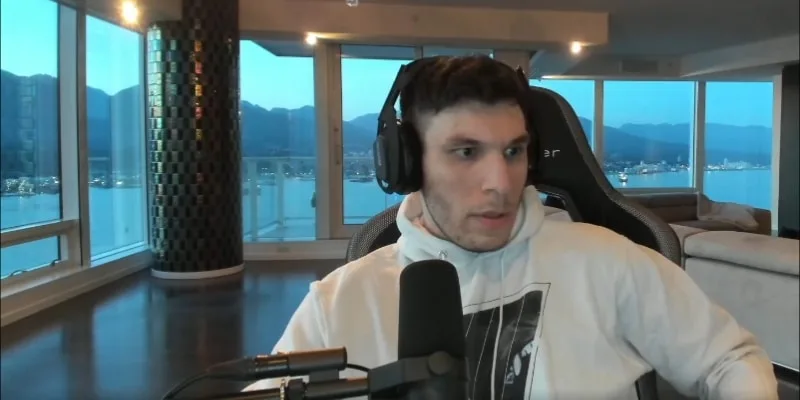
TrainwrecksTV shifted to Canada in mid-2021, and it was a turning point for his gambling content.
The simple reason is jurisdiction. Real-money crypto casinos like Stake require creators to play from places where the site is legal and where the player can pass KYC that matches their residence.
Being in Canada made high-roller casino streams viable without workarounds, which in turn kept sponsor deals, VIP progress, and marathon sessions flowing on a predictable schedule.
It also aligned the business stack. Payments, taxes, and bank compliance are far cleaner when the stream location, KYC, and platform rules all point to the same jurisdiction.
That move set the stage for his later push on Kick, where gambling streams were welcomed, and it let him keep prime North American time slots while still catching Europe in the morning.
In short, the relocation turned a controversial content pillar into an operationally defensible one, which is why it mattered for both growth and longevity
Does TrainwrecksTV Own Stake?
Short answer: no, there is no public evidence that TrainwrecksTV owns Stake.
Long answer: this question exists because Train’s role goes far beyond a typical sponsored streamer.
He has openly acted as an advisor, public defender, and strategic voice for Stake, especially during periods of regulatory pressure and platform bans. That level of visibility naturally fuels ownership rumors.
However, ownership claims require filings, equity disclosures, or verified insider confirmation.
None of that exists publicly. Stake is owned by its founders, and while Train is undeniably close to the operation, closeness does not equal equity.
What is accurate is that Train’s influence is significant. He helped shape how crypto gambling content survived platform crackdowns, and he played a major role in redirecting audiences toward Kick when Twitch pulled back.
That influence creates leverage, and leverage often looks like ownership from the outside.
But until proven otherwise, the correct framing is this: Train is a high-level partner and advisor, not an owner. Anyone stating it more definitively is speculating, not reporting.
The “Scuffed” podcast & on-stream circle
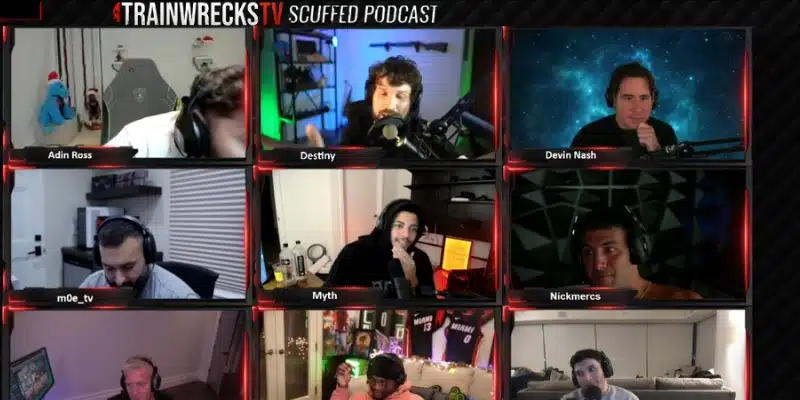
“Scuffed” is TrainwrecksTV’s long-running roundtable where marathon streams turn into open-mic debates about games, platforms, gambling, and streamer culture.
The format is simple and sticky: a rotating cast of heavy hitters (creators, pros, devs, industry folks) drops into Discord, topics spiral, and clips write themselves.
It’s deliberately messy—unfiltered takes, shifting panels, and late-night energy—which fits the “Scuffed” brand and keeps watch time sky-high.
Why it matters for his ecosystem
- Network effect: frequent cross-overs with big creators keep his channel in everyone’s orbit and seed future collabs.
- Content engine: one live session yields shorts, VOD highlights, and quotable moments that travel across X/YouTube/Reddit.
- Authority & influence: hosting the room signals status—guests bring receipts, arguments, and audiences, which compounds reach.
- Bridge to business: platform policy talk, Kick discourse, and gambling meta all flow through Scuffed, letting Train frame narratives in real time.
Net-net: Scuffed isn’t just a podcast—it’s the social hub that sustains Train’s relevance between headline streams and turns his circle of creators into a perpetual distribution machine.
Audience Snapshots
- Kick followers: public profile shows ~438K+ (growing)
- Twitch followers: tracking sites show ~2.2M. (Follower counters vary slightly by source.)
Money, “net worth,” and the business picture
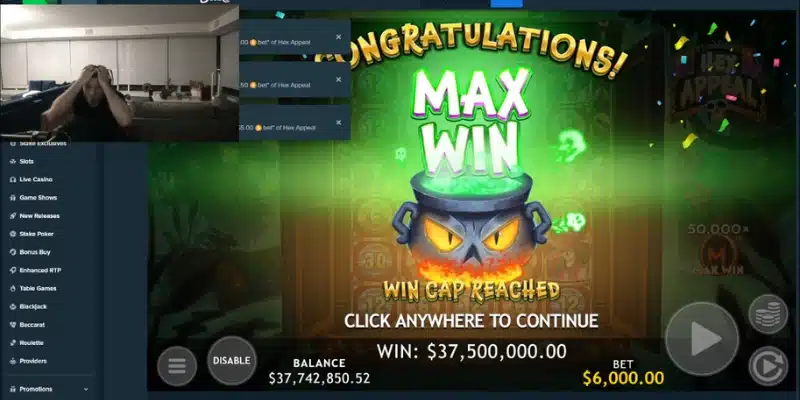
Short version: any single “net worth” number you see for TrainwrecksTV is a guess. The business picture is real—multiple revenue pipes, high volatility, and heavy expenses/taxes.
How the money flows
- Platform payouts: Live revenue (subs, tips) with a creator-friendly split on Kick. Exact guarantees/salaries aren’t public; assume variability and performance clauses.
- Sponsorships/affiliates: Headlined by casino/crypto deals (e.g., Stake-aligned promos) plus typical sponsor slots. Affiliate rev is behavior-dependent (deposits, play, retention).
- Ads + VOD: YouTube ad share on highlights/VODs; brand integrations inside clips.
- Donations: Direct tips (fiat/crypto). Spiky; driven by drama peaks and big-win streams.
- IP & equity (soft value): The Scuffed podcast brand, back-catalog, and any private stakes/RSUs/venture bets (if any) don’t have public marks but matter.
Why “net worth” is murky
- Crypto swings: On-chain balances, if any, can move ±20–50% in months.
- Private contracts: Sponsor/Kick terms aren’t public—no one outside the room knows the true floor/ceiling.
- Tax/expenses: Team salaries, editors, legal/compliance, chargebacks, and Canadian taxes on worldwide income bite hard.
- Gambling variance: Public wins are visible; true P/L over time isn’t.
A better way to think about it (framework, not a guess)
- Annual run-rate = platform payouts + sponsor/affiliate guarantees + variable affiliate rev + ads/donations − (team + production + legal/compliance + travel + tax installments).
- Net worth = liquid (cash + crypto @ current mark) + illiquid (equipment/IP/equity) − liabilities (tax due, loans, payables).
What would move the needle
- A multi-year platform guarantee (confirmed) → raises floor.
- Equity/options in a fast-growing platform or company → raises upside.
- Sustained affiliate conversion with low churn → stabilizes the variable line.
- Prolonged drawdowns (crypto or gambling) → drags liquidity and risk tolerance.
Takeaway: The machine is big and diversified, but opaque. Treat any viral “$X million net worth” claims as entertainment. The right posture for readers is to evaluate receipts (contract disclosures, on-chain payouts, tax acknowledgments) and focus on the business model—not a single headline number.
Giveaways & Donations
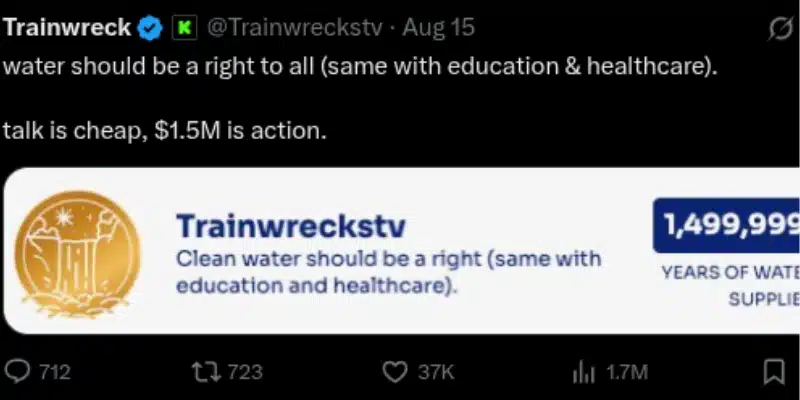
What they are: recurring cash/crypto giveaways during big streams and platform pushes, plus periodic charity donations called out on stream and social. The giveaways function as growth levers (chat spikes, follows, code usage); the donations build goodwill and keep a paper trail of “receipts.”
How the giveaways usually work
- Live-triggered: milestones, sponsor promos, or “after a big win.”
- Eligibility gates: follow/subscribe/chat participation, sometimes third-party form or wallet address.
- Payout rails: crypto (fast, global) or platform-native methods; winners often need KYC before receiving larger amounts.
- Proof culture: screenshots, on-stream confirmations, and—when crypto—tx hashes shared after.
Why they matter to the business
- Engagement engine: spikes CCV, chat velocity, and social shares.
- Funnel tie-in: giveaway → code/offer → review/tooling → long-tail audience capture.
- Reputation hedge: public donations help counterbalance gambling-stream optics.
Viewer checklist (avoid scams)
- Claim only from official TrainwrecksTV accounts; ignore DMs from “giveaway staff.”
- Never share your seed phrase; legit payouts don’t require it.
- For crypto prizes, expect small test sends, then the main tx—ask for the on-chain hash.
- If a third-party form is used, it should be minimal PII and visible on stream.
Donation transparency best practice
- Name the charity/entity, show the amount, and—if crypto—post the transaction link.
- Note any matching (sponsor/creator) and timing.
- Keep a static page or thread of past donations for easy reference.
Reality check
- Giveaways are marketing—fun, yes, but designed to juice growth and affiliate activity.
- Donations are real when there are receipts; treat big round numbers without proof as claims, not facts.
- Taxes, KYC, and regional rules apply; larger prizes may require ID and may be taxable to the recipient.
One-liner takeaway: Enjoy the giveaways, demand receipts for the donations, and interact only through verified channels—everything else is noise.
Drake, Roshtein, and the casino meta
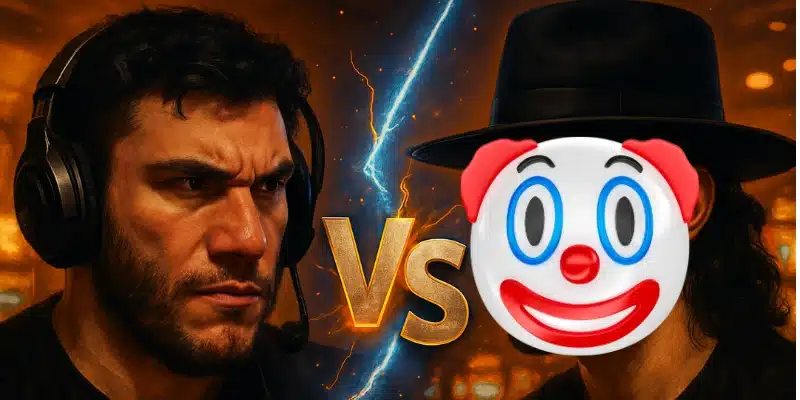
The Drake effect. Celebrity co-streams and promo events supercharge the gambling meta: huge concurrent viewership, headline giveaways, and a flood of clips that circulate for days. For Trainwrecks, Drake moments act like rocket fuel—pulling casuals into the funnel and legitimizing high-roller content as “mainstream entertainment,” even though the mechanics (house edge, sponsor spend) don’t change.
Roshtein as a foil. Roshtein is the long-running slots star whose name anchors every debate about “raw balance,” sponsorship, and authenticity. The Train-vs-Roshtein discourse pops up in cycles—viewers compare win streaks, disclosure style, and cash-out receipts. It’s less about a personal feud and more about what counts as proof in a high-variance, sponsor-heavy niche.
How the casino meta actually works
- Three-leg flywheel: platform that allows gambling streams → sponsored/affiliate bankroll → marquee moments (big hits, celeb collabs) → repeat.
- Highlights over habitability: huge balances + high volatility create viral clips; the expected value is still negative for viewers who copy the play.
- Affiliate gravity: codes, rakeback, and VIP math sit under most streams; disclosures and KYC/jurisdiction alignment are the real compliance gates.
- Receipts culture: screenshots, on-stream timestamps, tx hashes, and payout timelines are the only antidote to skepticism—and they’ve become part of the content.
What this means for readers
- Treat celeb streams and mega-wins as marketing showcases, not blueprints.
- Demand receipts (especially for cash-outs and donations) and read the VIP/rakeback fine print.
- Enjoy the spectacle, but remember: variance is content; house edge wins over time.
What he says his goals are
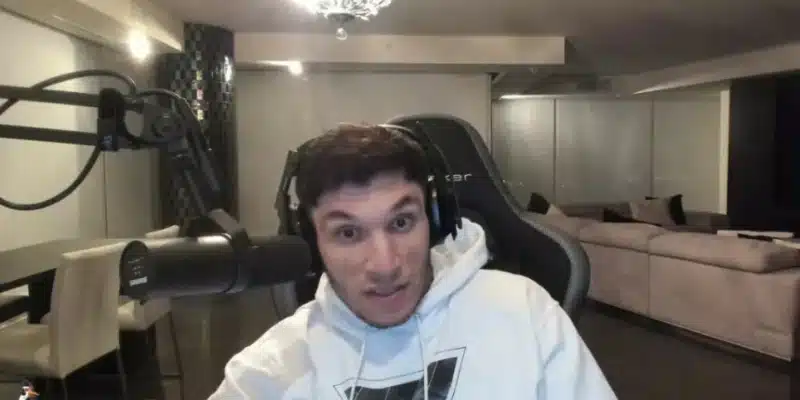
Champion a creator-first platform. Push better rev splits, fewer arbitrary bans, and clearer rules so streamers can build long-term businesses without fear of rug-pull moderation.
Keep gambling content “above board.” Stream from legal jurisdictions, disclose sponsorships, and show “receipts” (timestamps, payout proofs) so viewers can judge claims themselves.
Grow the pie for other creators. Use Scuffed and collabs to boost smaller streamers, share the spotlight, and negotiate better deals across the ecosystem.
Make live content big-tent entertainment. Treat high-roller sessions, celeb collabs, and panel debates as mainstream shows—clips, VODs, and podcasts all feeding the same funnel.
Give back visibly. Run public giveaways and periodic charity drives—with proof—to turn audience spikes into community goodwill.
Protect viewer agency. Say the quiet part out loud: house edge exists; don’t gamble if you can’t afford it; set limits and verify terms.
Stay independent. Build an operation (platform ties, sponsorships, IP like Scuffed) that doesn’t live or die by any one company.
How it shows up: long, unfiltered streams; frequent “disclosure + receipts” talk; recruiting creators to friendlier platforms; marathon panel shows; splashy giveaways paired with public proof.
Controversies (the short list)
- Public feuds & sharp commentary – Frequent, blunt call-outs of other creators (and casinos) that spark community pile-ons and multi-week drama cycles.
- Gambling sponsorships & “raw balance” skepticism – Ongoing debates about sponsor influence, whether play is truly “raw,” and the need for receipts (cash-out proofs, tx hashes).
- Kick linkage & conflicts – Advocacy/adviser role for Kick while promoting gambling streams raised questions about platform ties to Stake, moderation standards, and brand safety.
- Twitch suspensions & policy clashes – Multiple past suspensions/strikes and public fights over Twitch rules; his pivot to Kick became part of the broader “gambling on Twitch” crackdown discourse.
- Giveaways transparency – Large on-stream giveaways draw scrutiny around winner verification, tax/KYC steps, and whether promos double as aggressive funnel marketing.
- High-roller casino meta impact – Critics say the format normalizes risky play; supporters argue disclosures + adult targeting are sufficient—this tension resurfaces after viral wins/losses.
FAQs
-
Is Trainwrecks a “Kick owner”?
He’s commonly described that way, but what’s on record is adviser/leader/figurehead; he himself pointed to Stake co-founder Eddie Craven as an investor in Kick, which Kick also acknowledged.
-
What's his net worth?
All public numbers are estimates; one streamer-industry site lists $10–15M, but treat as speculative.
Honestly, he’s more likely to be in the 20M+